
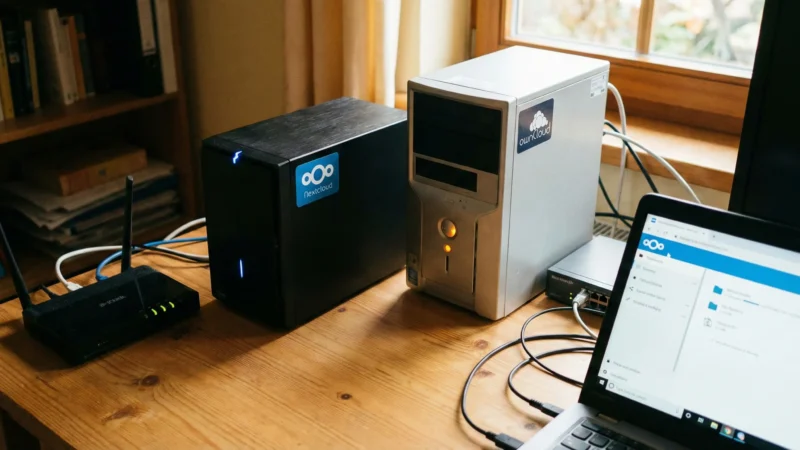
nextcloud vs owncloud
Blog

Nextcloud vs ownCloud: Which Self-Hosted Cloud Should You Choose in 2026?

Quick Verdict Nextcloud is the better all-around choice for most users, offering a fully open-source platform, a richer app ecosystem, built-in video conferencing, and modern collaboration tools at competitive pricing. ownCloud is the stronger pick for enterprises that need a streamlined, high-performance file-sync-and-share platform with a focus on compliance, minimal feature bloat, and the raw throughput advantages […]


No Comments Read More
Django vs Flask
Blog

Django vs Flask – Which Python Web Framework Should You Use?

Python’s ecosystem offers two dominant web frameworks—Django and Flask—and choosing the right one can shape your project’s architecture, scalability, and development speed. Django is a batteries-included framework designed for rapid development, while Flask is a minimalist microframework focused on flexibility and lightweight design. What Is Django? Django is an open-source, high-level Python web framework designed […]

No Comments Read More
SaaS Data Security Risks
Blog

SaaS Data Security Risks: What Organizations Must Understand

TL;DR (Quick Summary) Why SaaS Data Security Is Different from Traditional Cloud Security In traditional IaaS environments, security teams control networks, host operating systems, and many layers of logging that describe how data moves and who accesses it. In SaaS, those layers sit behind the provider boundary, and customers typically see only what the vendor […]

No Comments Read More
cloud security
Blog

DSPM vs DLP: What’s the Difference and Do You Need Both?

TL;DR What Is DSPM? Data Security Posture Management (DSPM) is a data-centric approach that continuously discovers where sensitive data lives across cloud, SaaS, and data platforms, classifies it, and evaluates how exposed it is. It answers “what data do we have, where is it, who can access it, and how risky is that exposure?” in […]

No Comments Read More

Sign In

Register

Reset Password

Please enter your username or email address, you will receive a link to create a new password via email.